Nyheder
Forlig
Døgnrapport
Arrangementer
Følg Forsvaret
Forsvarets arealer
Publikationer

Forsvaret er til stede over hele Kongeriget Danmark og bidrager til Danmarks indsats for at fremme fred og stabilitet samt til NATOs kollektive afskrækkelse og forsvar.
Forsvaret håndhæver Danmarks og Rigsfællesskabets suverænitet og er en del af samfundets samlede beredskab. Forsvaret bidrager til international konfliktforebyggelse og deltager i fredsbevarende og fredsskabende indsatser, når Folketinget beslutter at anvende militær ekspertise og kapacitet.

I dag begyndte de første værnepligtige, der har sagt ja til at deltage i den fremrykkede værnepligt. Tjenestestederne er Haderslev og Karup - og fra næste uge Frederikshavn.

Danske soldater har igen trænet bevogtning af Buksefjordsværket i Grønland. Træningen er en del af øvelse Arctic Endurance og Forsvarets øgede tilstedeværelse i Grønland.

I tæt dialog mellem Forsvarsministeriet og Naalakkersuisut er det besluttet at styrke optaget på Arktisk Basisuddannelse fra 30 op til 50 elever fra sommeren 2026. Det sker for at imødekomme den store interesse blandt grønlandske unge for at opnå færdigheder indenfor forsvar og beredskab. Herudover pågår der forhandlinger mellem Forsvarsministeriets Materiel- og Indkøbsstyrelse og Air Greenland om leasing af fly til bedre løsning af overvågningsopgaven i regionen.

Etablissement- og Terrænkommandoen inviterer til det fjerde borgermøde om den kommende ammunitionsproduktion i Elling samt den aktuelle status på udviklingen af produktionsområdet.

På Militærpolitiskolen bliver eleverne ikke kun undervist i militære færdigheder og juridiske opgaver. De uddannes også i anvendelse af en række magtmidler og får mulighed for at afprøve disse. Alt sammen for at opnå et erfaringsgrundlag, de kan trække på i et fremtidigt virke som politiautoritet i Forsvaret.

Forsvaret har lejet et hotelskib for at kunne indkvartere danske og internationale soldater, der deltager i øvelse Arctic Endurance. Hotelskibet skal sikre, at den civile infrastruktur i Nuuk ikke overbelastes.

For både danske og NATO-allierede soldater fortsætter øvelsen i Grønland i de næste uger. Øvelse Arctic Endurance begyndte denne uge og er rammesat til at fortsætte i hele 2026. Planlægningen af samarbejdet med NATO-allierede bidrag er i fuld gang.

Pressen inviteres til Haderslev Kaserne, hvor de første værnepligtige begynder på den nye, styrkede værnepligt. Pressen får mulighed for at følge opstarten på nært hold.
Forsvaret løser opgaver i Danmark, i Rigsfællesskabet og udsendt i internationale missioner. Forsvaret råder over Hæren, Søværnet og Flyvevåbnet.
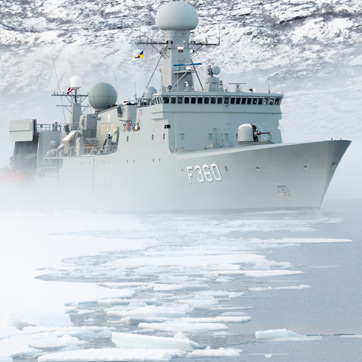
Forsvaret hævder kongeriget Danmarks suverænitet i hele Rigsfællesskabet. Arktisk Kommando har ansvaret for et område fra Færøerne i øst til farvandene omkring Grønland i nord og vest. Opgaverne omfatter det militære forsvar, men Forsvaret støtter også med en lang række opgaver af mere civil karakter som eftersøgning og redning, fiskeriinspektion, miljøovervågning og forureningsbekæmpelse.
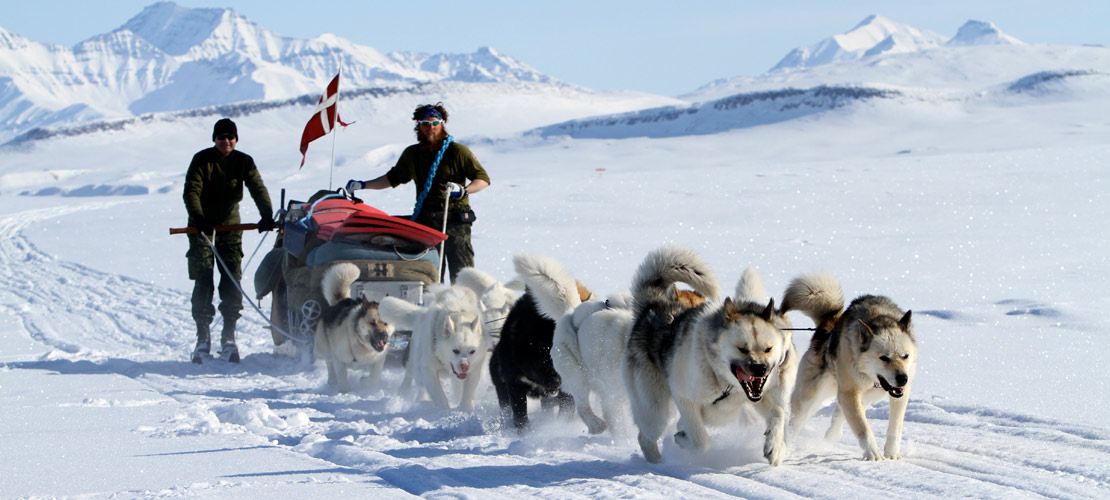
Slædepatruljen Sirius gennemfører overvågning og suverænitetshævdelse i verdens største nationalpark i Nordøstgrønland. Patruljen varetager også politimyndigheden i nationalparken. Foto: Søværnet

Vinterudgaven af Honnør 2025 er sendt ud til Forsvarets ansatte. Læs magasinet her.

Forsvaret er en af Danmarks største og mest alsidige arbejdspladser og uddannelsesinstitutioner. Klik dig videre til information om værnepligt, uddannelse, karriereveje og jobmuligheder i Forsvaret.

Det kræver mental styrke og stålfast vilje at komme igennem uddannelsen til soldat ved Frømandskorpset eller Jægerkorpset. Der stilles også ekstraordinære krav ved mange andre uddannelser i Forsvaret. Til gengæld bliver du en af de bedste på dit område. Foto: Christian Sundsdal / Forsvaret

Værnepligt kan være en kort oplevelse, der flytter dig for altid. Eller en indgang til utallige muligheder på en af Danmarks største og mest alsidige arbejdspladser. Foto: Rebekka Gimm / Forsvaret